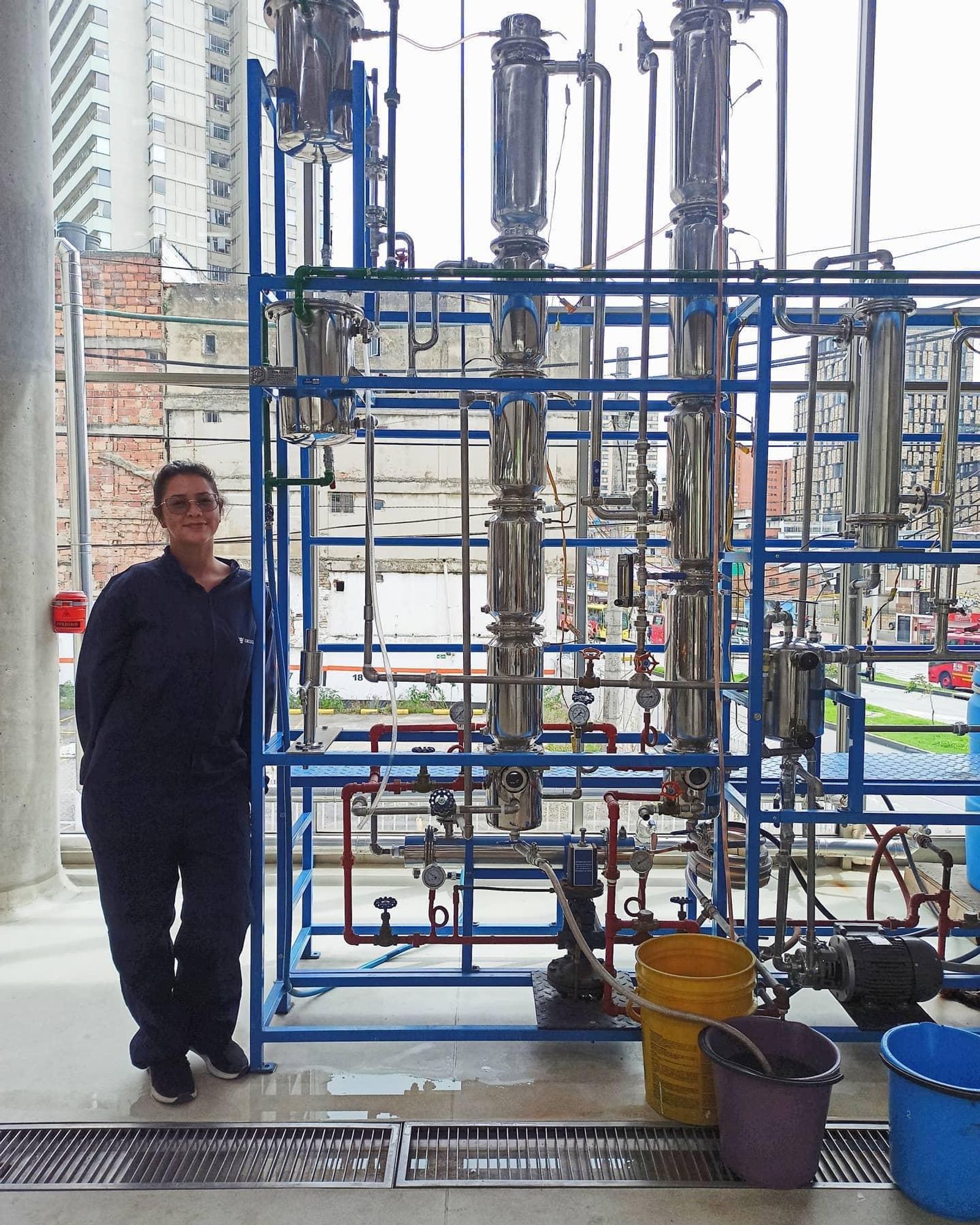
What it's for.
Some defects reappear even after the team already tried to fix them: they're chronic and cost money every month. As a Black Belt, we structure and support the project from start to finish, with measurement, statistics, and control that make the improvement stick. And today's Black Belt also orchestrates data: we support the analysis with Power BI and AI to find patterns faster.
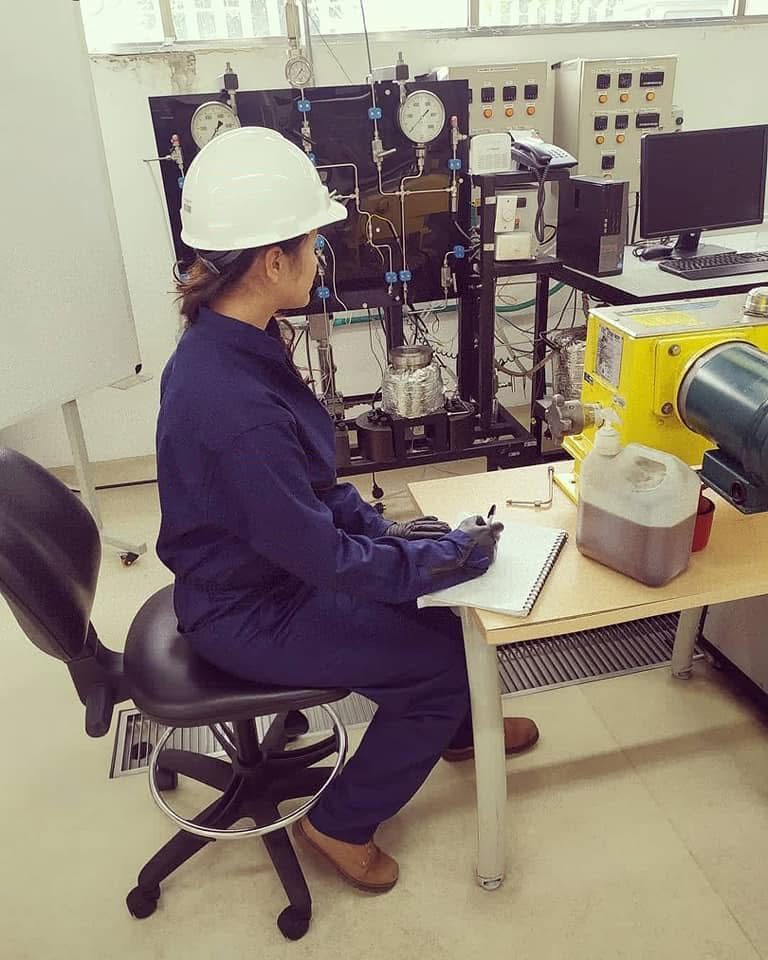
What this method has already moved on the plant floor.
Material scrap
Black Belt projects with design of experiments and statistical control in metal manufacturing.
Measurement time per part
Optical measurement systems with statistical process control.
Results from Natalia León's work in manufacturing, not from consultancy clients. See her full track record →
Everything that matters, in one view.
Who it is for
- • Operations with chronic problems
- • Teams demanding rigor
- • Projects requiring control
What it includes
- • Project chosen from the loss tree and cost Paretos
- • Baseline measured and measurement system validated (MSA)
- • Causes confirmed with statistics: hypothesis tests, regression, DOE
What we do not do
Minitab licenses or statistical software (your team purchases)

When a problem is chronic and costly, a quick fix is not enough. We run it through a full DMAIC (measurement, statistical analysis, and control) until it stops coming back.
Investment
Tailored quote: scope first, price after
First step
Tell us about your case by WhatsApp, text or email
This fits you if…
Operations with chronic problems
A costly defect keeps coming back despite past fixes.
Teams demanding rigor
Need measurement and statistical analysis, not improvised fixes.
Projects requiring control
Need improvement standardized and sustained over time.
Concrete results.
What this solution does not include.
A clear process, step by step.
Initial diagnosis
A free conversation about your operation, your data and the result you are after.
Scope and proposal
We define deliverables, timeline and price in writing before starting.
Phased execution
We work in short iterations, with visible progress you can review at each delivery.
Validation with data
We measure the result against the baseline: improvement is shown with numbers, not promised.
Handoff and transfer
You receive the documented result, and your team the knowledge to sustain it without us.
Scope first, price after.
Frequently asked questions
Shall we talk about your project?
Initial conversation with no commitment. Tell us what you need and we'll tell you how we can help — and if it's not our thing, we'll point you in the right direction.
Legal notice
León & Asociados LLC es una empresa de consultoría profesional registrada en el estado de Minnesota. Ofrecemos dos líneas de solución: (1) preparación de formularios y documentación migratoria, y (2) consultoría en optimización de procesos, análisis de datos, metodología Lean Six Sigma y automatización.
León & Asociados LLC NO es una firma de abogados y ninguno de sus representantes es abogado, ingeniero profesional licenciado (PE), ni asesor legal o financiero.
Las soluciones de preparación migratoria se limitan a la organización y preparación de formularios conforme a las instrucciones oficiales de USCIS; no constituyen asesoría legal de ningún tipo. Las soluciones de consultoría técnica se basan en metodologías de mejora de procesos y análisis de datos; no constituyen práctica profesional de ingeniería regulada.
Para asuntos que requieran representación legal migratoria o soluciones de ingeniería profesional licenciada, León & Asociados LLC recomienda consultar con un abogado de inmigración licenciado o un ingeniero profesional (PE) con licencia activa.
León & Asociados LLC is a professional consulting firm registered in the state of Minnesota. We offer two lines of service: (1) preparation of immigration forms and documentation, and (2) consulting in process optimization, data analysis, Lean Six Sigma methodology, and automation.
León & Asociados LLC is NOT a law firm, and none of its representatives is an attorney, licensed professional engineer (PE), or legal or financial advisor.
Immigration preparation solutions are limited to the organization and preparation of forms in accordance with the official USCIS instructions; they do not constitute legal advice of any kind. Technical consulting solutions are based on process-improvement methodologies and data analysis; they do not constitute the regulated professional practice of engineering.
For matters requiring legal immigration representation or licensed professional engineering solutions, León & Asociados LLC recommends consulting a licensed immigration attorney or a professional engineer (PE) with an active license.
León & Asociados LLC · Professional consulting · Not a law firm or licensed engineering firm · Minnesota, USA